
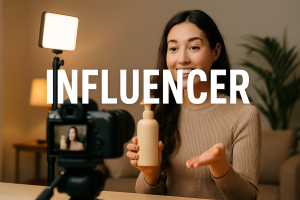
In the ever-evolving landscape of digital marketing, influencer marketing has emerged as one of the most powerful tools for brands seeking to build trust, expand reach, and drive engagement. At its core, influencer marketing leverages individuals with established credibility and a loyal following to promote products or services. Beyond surface-level endorsements, its true strength is fostering authentic connections between brands and consumers.
What Is Influencer Marketing?
Influencer marketing collaborates with people who can affect purchasing decisions because of their authority, knowledge, position, or relationship with an audience. Influencers range from celebrities and industry experts to micro-creators with niche followings on Instagram, YouTube, TikTok, and LinkedIn.
Unlike traditional ads that can feel impersonal, influencer marketing thrives on relatability. When a creator shares a product in the context of everyday life, it resonates more deeply. That perceived authenticity is what makes the channel so effective.
Why Influencer Marketing Works
- Trust and credibility — Audiences often trust creators more than brand messages alone.
- Targeted reach — Creators serve specific demographics and interest groups.
- Engagement and conversion — Influencer content often earns higher engagement and action rates.
- Content creation — Partnerships produce high-quality assets brands can reuse across channels.
Types of Influencers
- Mega-influencers — Over one million followers. Massive reach, higher cost, often lower engagement.
- Macro-influencers — 100,000 to 1 million followers. Balance of reach and engagement.
- Micro-influencers — 10,000 to 100,000 followers. Highly engaged audiences and stronger affordability.
- Nano-influencers — Under 10,000 followers. Deep trust and close community ties.
Choose based on goals, budget, and audience fit rather than follower count alone.
Best Practices for Influencer Marketing
- Define clear objectives — Awareness, leads, or sales should shape the campaign and metrics.
- Choose the right partner — Values, tone, and audience alignment matter more than vanity metrics.
- Establish transparent partnerships — Set expectations, deliverables, compensation, and disclosure rules.
- Encourage creative freedom — Let creators present products in a natural voice their audience trusts.
- Track and measure results — Watch engagement, click-through rate, and ROI, then adjust.
Challenges and Considerations
Fake followers, weak transparency, and poor brand fit can undermine campaigns. Disclosure rules from regulators like the FTC require clear sponsored labeling. Social trends move fast, so keep partnerships agile and continuously evaluated.
The Future of Influencer Marketing
Expect deeper long-term collaborations, co-created products, and more behind-the-scenes storytelling. Virtual creators raise new opportunities and ethical questions. Done well, influencer marketing is storytelling that builds community, trust, and lasting loyalty.
Comments
No comments yet. Why don’t you start the discussion?
Commenting will open once a moderated discussion flow is ready. For now, explore more articles from the sidebar or homepage.