
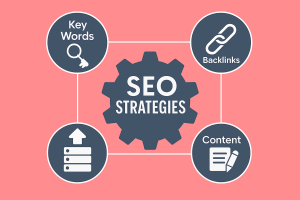
Search Engine Optimization (SEO) remains one of the most powerful tools in the digital marketer’s arsenal. While paid advertising offers immediate visibility, SEO builds long-term credibility and organic traffic. In an age where consumers rely heavily on search engines to find products, services, and information, mastering SEO strategies is essential for any business aiming to thrive online.
What Is SEO?
SEO is the process of optimizing a website to improve its visibility in search engine results pages (SERPs). The goal is to attract organic (non-paid) traffic by ranking higher for relevant keywords. SEO encompasses a wide range of techniques, including keyword research, content creation, technical optimization, and link building.
Effective SEO not only increases traffic but also enhances user experience, builds trust, and improves conversion rates. Unlike PPC, which stops delivering results once the budget runs out, SEO continues to generate traffic over time with consistent effort.
Core Pillars of SEO
- On-Page SEO — Optimizing individual pages to rank higher and earn more relevant traffic. Key elements include keyword optimization, meta titles and descriptions, header tags (H1, H2, etc.), internal linking, image alt text, and content quality and relevance.
- Off-Page SEO — Building authority and trust through external signals. The most important factor is backlinks from other reputable websites. Social signals, brand mentions, and influencer outreach also contribute.
- Technical SEO — Ensuring search engines can crawl and index your site efficiently. It includes site speed optimization, mobile responsiveness, secure connections (HTTPS), XML sitemaps, structured data (schema markup), and fixing crawl errors and broken links.
Effective SEO Strategies
- Keyword Research and Intent Matching — Identify keywords your audience searches for with tools like Google Keyword Planner, Ahrefs, or SEMrush. Focus on matching informational, navigational, or transactional intent.
- Content Creation and Optimization — Create high-quality original content that addresses audience needs. Use keywords naturally, include internal links, and keep readability high.
- Mobile-First Design — Google uses mobile-first indexing. Ensure your site is responsive, loads quickly on phones, and offers a smooth experience.
- Page Speed and Core Web Vitals — Optimize images, reduce server response time, and minimize JavaScript to improve LCP, FID, and CLS.
- Link Building — Earn backlinks through guest posting, digital PR, partnerships, and shareable content. Quality beats quantity.
- Local SEO — Optimize your Google Business Profile, gather reviews, keep NAP consistency, and use location-specific keywords.
- User Experience and Engagement — Improve navigation, reduce bounce rates, and encourage interaction with clear CTAs and intuitive design.
- Regular Audits and Updates — Conduct audits, refresh outdated content, and adapt to algorithm changes with Search Console and similar tools.
Common SEO Mistakes to Avoid
- Keyword stuffing — Overusing keywords harms readability and can trigger penalties.
- Duplicate content — Repeating content dilutes authority and confuses search engines.
- Ignoring technical issues — Broken links, slow pages, and poor mobile design hinder rankings.
- Neglecting analytics — Without tracking, you cannot measure success or improve.
- Chasing short-term gains — Black-hat tactics may offer quick wins but risk long-term damage.
SEO and Internet Marketing Integration
SEO works best when integrated with broader marketing strategies:
- Content marketing — SEO drives traffic to content, while content fuels SEO with relevance and engagement.
- Social media — Sharing optimized content increases visibility and can attract backlinks.
- Email marketing — Use SEO insights to inform email topics and drive traffic to optimized landing pages.
- PPC campaigns — Combine SEO with paid ads to dominate SERPs and test keyword performance.
The Future of SEO
As search engines evolve, so must SEO strategies. Voice search, AI-driven personalization, and semantic search are reshaping discovery. Marketers must focus on context, user intent, and holistic optimization rather than keywords alone.
Ultimately, SEO is about creating value for users and search engines alike. By investing in sustainable strategies, businesses can build a strong online presence that stands the test of time.
Comments
No comments yet. Why don’t you start the discussion?
Commenting will open once a moderated discussion flow is ready. For now, explore more articles from the sidebar or homepage.